
Security is an ongoing responsibility: How Tenzo keeps restaurant data safe

Software security doesn’t end when a product goes live. New flaws can appear in shared code a product depends on, attackers now use AI to find weaknesses faster, and fixing one gap doesn’t undo damage done before it. Tenzo’s engineers monitor, assess and respond to these risks every day, so restaurant businesses can rely on Tenzo with their data.
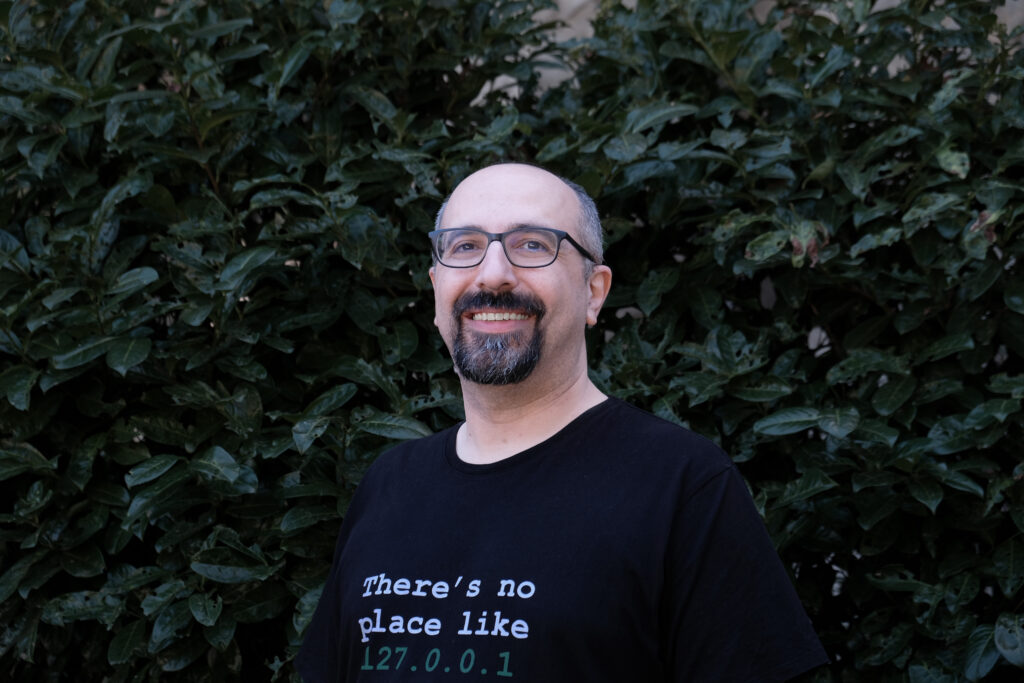
“AI has made it faster and easier than ever to build software. Keeping that software safe after it goes live is a different job, and one that never finishes. Tenzo’s engineers have done this work every day for years. It is also a large part of why restaurant businesses can rely on Tenzo with their data.”
This article was written by Abraham Azam, Head of Engineering at Tenzo
Why does software need security work after it goes live?
Almost all modern software, Tenzo included, is built partly from widely used building blocks: code that other organisations write, maintain and share across thousands of products. This is good practice, because it means teams reuse proven components instead of rebuilding them. It also means a security flaw can appear in a component we have never changed, and a product that worked perfectly yesterday can need urgent attention today.
How can a security flaw appear in code you never changed?
That is what happened on 21 October 2026. PHP and Node.js, two technologies that power a large share of the web, released urgent security fixes on the same day. Some of the PHP flaws could have let an attacker take control of a server remotely. Every company using these technologies had to check whether it was affected and act quickly. Tenzo’s engineers had already dealt with the PHP issues before the story made the news.
This kind of work is constant. Our automated monitoring raises hundreds of alerts about third-party code every few months. An alert is a prompt to check, not a sign that something is wrong. Each one needs an engineer who understands how our platform fits together to decide whether it matters.

Your data, your rights
Who really owns your restaurant data, and how to make sure it stays useful
Why isn’t applying a fix enough?
A weakness can look harmless on its own. Attackers often link several small weaknesses together, using one to get a foothold and the next to reach something more valuable. That is why a good engineering team does not dismiss a problem just because it seems hard to reach.
Applying a fix also does not undo any damage done before it. Closing a gap stops new intruders, but it does not remove anyone who got in earlier. When a well-known cloud hosting provider disclosed a security incident in the same week as the PHP and Node.js fixes, its response went well beyond updating code. It had to protect passwords and access keys, limit who could reach which systems, and investigate everything that might have been affected.
How is AI changing software security?
The same AI tools that help people build software faster also help attackers find weaknesses faster. IBM’s 2026 Cost of a Data Breach study found that one in four malicious breaches it examined involved AI, costing the organisations affected an average of US$6 million. Rapid7 found that the number of serious vulnerabilities attackers actively exploited roughly doubled between 2024 and 2025, and that attackers now move in days rather than weeks.
AI helps our engineers too. It can help them find problems, investigate them and test fixes more quickly. But deciding whether a problem matters, and fixing it without breaking something else, still takes people who know the system.
Who is responsible for your data in the cloud?
When you share data with Tenzo, we take that responsibility seriously. That means knowing what data we hold, why we hold it, who can access it, where we store it and when we should delete it. Using a cloud provider or an AI tool does not hand that responsibility to someone else. UK data protection law sets clear duties for how organisations handle data, and we treat them as part of everyday engineering work. You can read more about our security practices and Bug Bounty Programme.
Why don’t customers see this work?
Most of this work is invisible to our customers, and that is deliberate. The goal is a platform you can rely on every day while our engineers handle the changing risks behind the scenes.
Software does not stay secure because someone checked it when they built it. It stays secure because people keep taking responsibility for it, and at Tenzo that is part of our engineers’ job every day.

AI on your own data
Ask questions about your restaurant data in the AI tools you already use.
Frequently Asked Questions
Tenzo’s engineers continuously monitor the third-party code the platform depends on, assess every security alert and apply fixes quickly when a risk matters. Tenzo also runs a Bug Bounty Programme and carries out regular security reviews, table-top threat simulations and security-focused code reviews.
Most software relies on shared components that other organisations maintain. When someone discovers a flaw in one of those components, every product that uses it can be affected, even if its own code hasn’t changed.
No. A business that handles data stays responsible for knowing what it holds, who can access it, where it is stored and when to delete it, whichever cloud or AI tools it uses. UK data protection law sets out these duties.
Yes. IBM’s 2026 Cost of a Data Breach study found that one in four malicious breaches it examined involved AI. Rapid7 reported that actively exploited serious vulnerabilities roughly doubled between 2024 and 2025.