
How hospitality operators are using AI to ask questions they couldn’t ask before
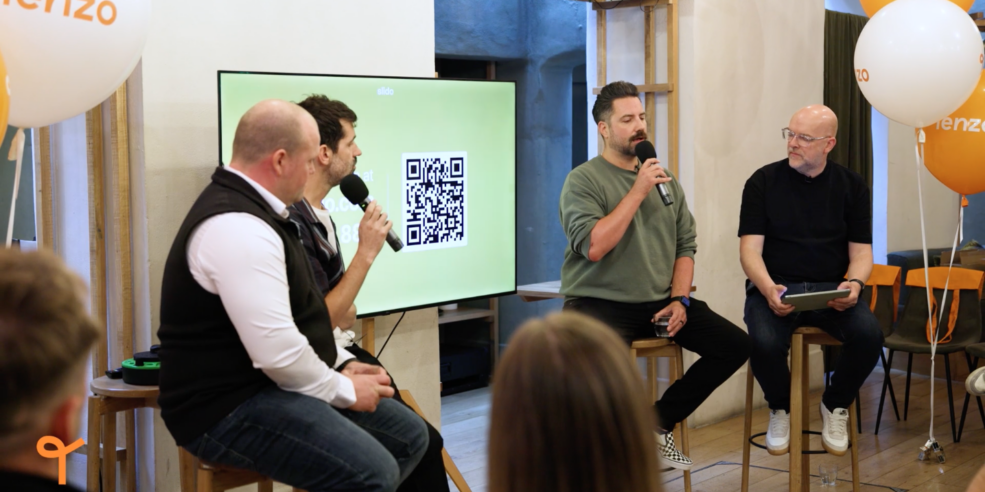
This June, we brought together three multi-site hospitality operators for a panel with Tech on Toast to talk honestly about AI, data, and what’s actually changed in their businesses. Not the theory. The reality.
Tommy Giraux, Head of Restaurant Systems at Honest Burgers. Tyrone Delaney, Finance Director at Camino. Chris Rang, Head of FP&A at JKS Restaurants. Between them: dozens of sites, lean finance teams, and the same operational pressures every operator in the room recognised.
What came through wasn’t hype. It was specificity.
The data was never the problem
The issue was never having too little data. It was making sense of it fast enough to act on it. What used to take hours of cross-referencing reports can now be answered with a single prompt.
That shift matters most when data lives across separate systems. A dashboard shows you what’s happening inside one source. The Tenzo MCP connects those sources – sales, labour, reviews, inventory, manager logs – so you can ask questions across all of them at once.
“If you wanted to correlate your sales and your deployment to customer satisfaction, that would just take hours and hours and days and days. Now it just takes a prompt in a few minutes.” – Tommy Giraux, Head of Restaurant Systems, Honest Burgers
Previously unanswerable questions
The clearest example of the evening came from Chris. Mid-board meeting, a guest review trend was mentioned anecdotally. Rather than wait for someone to pull a report, Chris queried the MCP in the room – pulling 12 weeks of reviews from SevenRooms, Google, and TripAdvisor, filtered for mentions of this issue. Within minutes, the data showed a clear trend: two or three comments a week, linked to specific dishes which allowed the issue to be identified on the spot.
Without that, weeks of guests could have had the same experience before anyone acted.
For Tyrone, the shift was more structural. Taking on FD responsibilities at a smaller group – without the headcount – meant needing to work differently. The AI layer on top of connected systems gave him back the time to think like an FD: site selection, EBITDA-level performance, strategic advice to owners.
“The AI layer has really been the catalyst to me being able to automate a lot of my day-to-day stuff and then being able to take a step back and think more like an FD.” – Tyrone Delaney, Finance Director, Camino
The model doesn’t matter. The data does.
Everyone is talking about Claude, ChatGPT, Copilot. But the model you’re using today probably won’t be the model you’re using in two years. What endures is the quality of the data underneath it.
That’s the case for a clean, connected data layer – one that normalises inputs from across your tech stack, adds hospitality context, and makes it possible for any AI model to do meaningful work. Your AI is only as good as the data you feed it. If the data is fragmented, you get a confident answer that’s completely wrong.
What this looks like on a Monday morning
The practical question isn’t philosophical. It’s operational. Chris described his Monday morning routine: top-line sales from the Tenzo app, then a prompt to pull GM logbook comments from the week, surface recurring themes in guest feedback, and flag anything unusual.
“The difference to that and the previous world we were in is the speed of it. It’s all there straight away.” – Chris Rang, Head of FP&A, JKS Restaurants
That’s what the MCP is built for. Not replacing dashboards – they remain the right tool for tracking known metrics reliably – but enabling the ad hoc, the cross-domain, the questions you didn’t know you needed to ask until you were already in the room.

Want to see what questions your data can answer?
Our team can walk you through all the possibilities…