
How Operations Managers Can Improve Data Visibility as Hospitality Businesses Scale
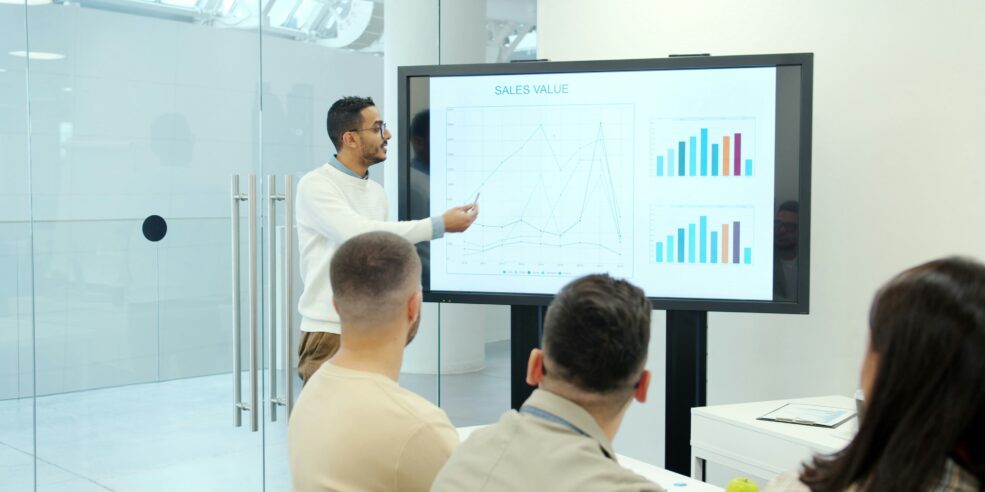
Operations managers can improve data visibility in hospitality by centralising systems to avoid data silos, focusing on a small set of metrics that actually matter (average spend per guest, labour-to-revenue ratios, guest satisfaction scores), breaking down barriers between departments, automating reports instead of manually compiling them, treating guest feedback as an operational data source, and planning reporting systems that scale as the business grows.
As an operations manager in the hospitality industry, you juggle a lot – staffing, guest experience, supplier relationships, budgets, and daily performance metrics. As resources are tighter than ever the challenge is even greater: how do you gain clear visibility into your data to make faster, smarter decisions?
The answer lies in creating a system where your key data is easy to access, reliable, and actionable.
In this blog we will be exploring how by centralising systems, focusing on key metrics, breaking down departmental silos, automating reports and planning for growth, managers can turn disparate data into actionable insights. Improved visibility not only streamlines operations and optimises staffing but also enhances the guest experience and protects profitability, allowing managers to anticipate challenges rather than react to them.
1. Centralise Your Systems to Avoid Data Silos
It’s common for reservations to sit in one platform, accounts in another, and guest preferences in a CRM. The problem is these systems rarely communicate, leaving operations managers piecing together reports, manually exporting POS data, or cross-checking spreadsheets just to see if revenue and costs align.
Centralising your systems doesn’t always require replacing them. Start by mapping each platform—POS, labour tool, inventory, and accounts—and identify where data is duplicated or siloed. Prioritise integrations that deliver the biggest operational impact, such as connecting POS with inventory to reduce waste.
Many modern systems offer APIs or plug-ins, and hospitality-specific solutions can consolidate all data into a single, real-time view. Rolling out integrations in phases—starting with the most pressing operational challenges—ensures smoother adoption and quick wins.
Once centralised, managers gain a complete view of performance. POS revenue can be compared directly with labour costs, giving real-time insights into wage percentages. Linking inventory with sales data ensures purchasing decisions are based on actual consumption, reducing waste and controlling costs.
2. Focus on the Metrics That Matter Most
More data isn’t always better. In fact, too much information can be as overwhelming as too little. Operations managers in hospitality are often bombarded with reports from different departments, but not all of it is useful for day-to-day decision-making. The key is to cut through the noise and focus on metrics that directly impact efficiency, profitability, and guest satisfaction.
Key metrics to prioritise include:
- Average spend per guest (for restaurants)
- Labour-to-revenue ratios (to manage staffing levels)
- Guest satisfaction scores and feedback trends
It’s not enough to identify the right metrics—you also need them available in real time. If reports are only accessible at the end of the week or month, opportunities to act are lost. A real-time or near real-time dashboard tailored to your KPIs ensures that critical data is always at your fingertips. This enables proactive adjustments, whether redeploying staff, changing stock orders, or shifting marketing spend to boost occupancy.
3. Break Down Department Barriers
One of the biggest obstacles to data visibility in hospitality is team silos. General Managers, finance and operations to name a few have their own priorities, systems, and data. As an operations manager, you sit at the crossroads of these functions, yet without consistent information sharing, you make decisions with only part of the picture.
What to do:
- Schedule regular cross-departmental check-ins where data is shared.
- Encourage a culture where data visibility is everyone’s responsibility, not just finance’s or marketing’s.
Communication is equally important. Encouraging managers to share both successes and challenges fosters trust and transparency. If housekeeping struggles with turnover due to staff shortages or F&B sees rising food costs from suppliers, this information must be visible to other departments to allow timely adjustments. Breaking down silos prevents surprises, reduces inefficiencies, and improves the guest experience.
4. Automate Reports to Save Time
Manual reporting is a major drain on an operations manager’s time. Exporting data from multiple platforms, consolidating spreadsheets, and double-checking figures can take hours—or even days—every week. This process not only wastes time but increases the risk of errors, delays decision-making, and distracts from more strategic tasks.
What to do:
- Automate daily occupancy and revenue reports.
- Set up weekly or monthly automated reports for guest feedback and labour costs.
- Use visualisation tools (graphs and dashboards) to spot trends quickly.
Automation ensures accurate, up-to-date insights with minimal effort. Visual dashboards help you spot trends at a glance, such as unusually high labour costs compared to revenue or menu items generating consistent waste. This enables proactive, data-driven decision-making.
5. Use Guest Feedback as an Operations Tool
Data isn’t just numbers—it also includes qualitative insights from guests. Guest feedback can directly influence staffing, service quality, and overall satisfaction, highlighting operational issues that financial or occupancy data might miss. For example, repeated comments about slow service indicate understaffing or inefficient processes.
What to do:
- Pull online reviews and surveys into your dashboards.
- Look for patterns: Are guests frequently mentioning delays? Is food quality inconsistent?
- Share insights with teams and act quickly.
<insert reviews dashboard>
Strategically leveraging guest feedback transforms it from commentary into a powerful operational tool, helping identify inefficiencies, optimise processes, and enhance service standards.
6. Plan for Growth Without Losing Visibility
Mid-market hospitality businesses often experience rapid growth. While positive, growth can overwhelm existing reporting systems if visibility isn’t planned in advance. Without centralised, scalable data management, operations managers risk losing oversight, making it harder to monitor performance, control costs, and maintain service standards across multiple sites.
What to do:
- Choose tools that can grow with your business.
- Regularly review your reporting setup as operations evolve.
Growth planning should include ongoing review and optimisation of reporting workflows. As the business expands, some KPIs may become less relevant, and new metrics may need to be introduced. Regularly reviewing reporting structures ensures data remains actionable, timely, and aligned with operational priorities.
Final Thoughts
Better data visibility isn’t just about numbers on a screen—it’s about giving you the tools to run smoother operations, allocate staff effectively, and deliver consistently excellent guest experiences.
With a clear view of your data, you can stop reacting to problems and start anticipating them—keeping both guests and your bottom line happy.
Want help to improve your data visibility as you grow with Tenzo?
Tenzo is designed to cut through the data to provide visibility and actionable insights. Ready to get started? Request a demo and take the first step toward data visibility./
FAQs
Frequently Asked Questions
Six practices matter most: centralising systems so data isn’t siloed across separate platforms, focusing on a small set of metrics that actually drive decisions, breaking down barriers between departments like finance and operations, automating reports instead of manually compiling spreadsheets, treating guest feedback as an operational data source rather than just commentary, and building reporting systems that can scale as the business grows.
Data silos happen because reservations, accounts, and guest preferences often sit in separate systems that rarely communicate, leaving managers piecing together reports and cross-checking spreadsheets manually. The fix isn’t necessarily replacing every system — it’s mapping each platform (POS, labour tool, inventory, accounts), identifying where data is duplicated, and prioritising integrations that deliver the biggest operational impact, like connecting POS with inventory to reduce waste.
The metrics worth prioritising are average spend per guest, labour-to-revenue ratios, and guest satisfaction scores and feedback trends – not simply more data. Crucially, these need to be available in real time rather than only at week’s or month’s end, since a real-time dashboard is what allows proactive adjustments like redeploying staff or changing stock orders before the opportunity to act has passed.
General managers, finance, and operations each have their own priorities, systems, and data, which means decisions often get made with only part of the picture. Regular cross-departmental check-ins and a culture where data visibility is everyone’s responsibility – not just finance’s – prevent surprises, reduce inefficiencies, and improve the guest experience, since issues like rising supplier costs or staffing shortages need to be visible across teams to allow timely adjustments.
Guest feedback surfaces operational issues that financial or occupancy data alone can miss – repeated comments about slow service, for instance, often point to understaffing or inefficient processes rather than a service quality problem in isolation. Pulling online reviews and surveys into the same dashboards as financial data, and looking for patterns rather than reading feedback in isolation, turns it into a tool for identifying inefficiencies and improving service standards.
Rapid growth can overwhelm existing reporting systems if visibility isn’t planned for in advance, leaving operations managers at risk of losing oversight across multiple sites. The fix is choosing tools built to grow with the business and reviewing the reporting setup regularly, since some KPIs become less relevant as the business scales and new ones need to be introduced to keep reporting actionable and aligned with current priorities.