Hospitality industry pays a heavy price as a result of latest round of tube strikes in the capital, according to new analysis
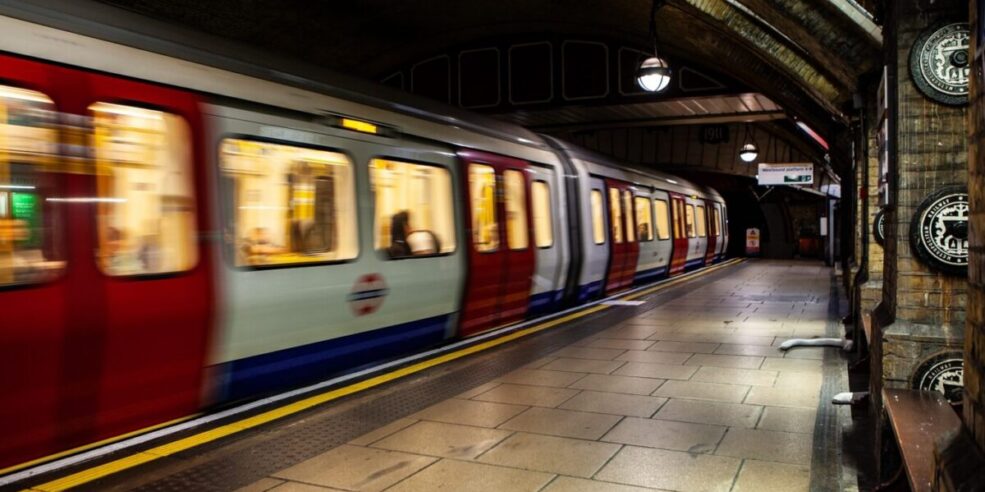
The average London hospitality venue saw sales fall by 13.1% on Thursday 4 June, making it the worst tube strike day to date in terms of impact on the sector, according to new research.
Analysis from Tenzo shows that this is significantly worse than the equivalent worst day during April’s tube strike action.
One in five venues experienced sales declines of more than 30% on Thursday alone, highlighting the severity of the disruption for a substantial proportion of operators.
The impact was driven by reduced footfall rather than weaker consumer spending, with transaction volumes falling sharply while average spend per customer remained broadly unchanged.
Tenzo’s co-founder, Christian Mouysset, said: “Transport strikes don’t just create inconvenience for travellers; they fundamentally change customer behaviour. Not only does it reduce the number of people passing through key hospitality locations in London, but it also makes demand far less predictable for operators.
“Unpredictability of events such as this is exactly why data has become so important. While operators can’t prevent strikes or control the weather and other external factors, they can use historical trading patterns to anticipate demand more accurately. By forecasting ahead of time, operators will be better positioned to make informed decisions around staffing, stock and service levels.
“By securely connecting this data with an LLM, the business can even ask AI to evaluate the data, identify trends and answer questions regarding how sales may be affected, automatically transitioning data insights into reliable predictions.
“While this won’t help bring more footfall during periods of strike action, it will allow businesses the ability to consciously reduce operational costs to reflect the level of business that can be expected when this disruption occurs.”